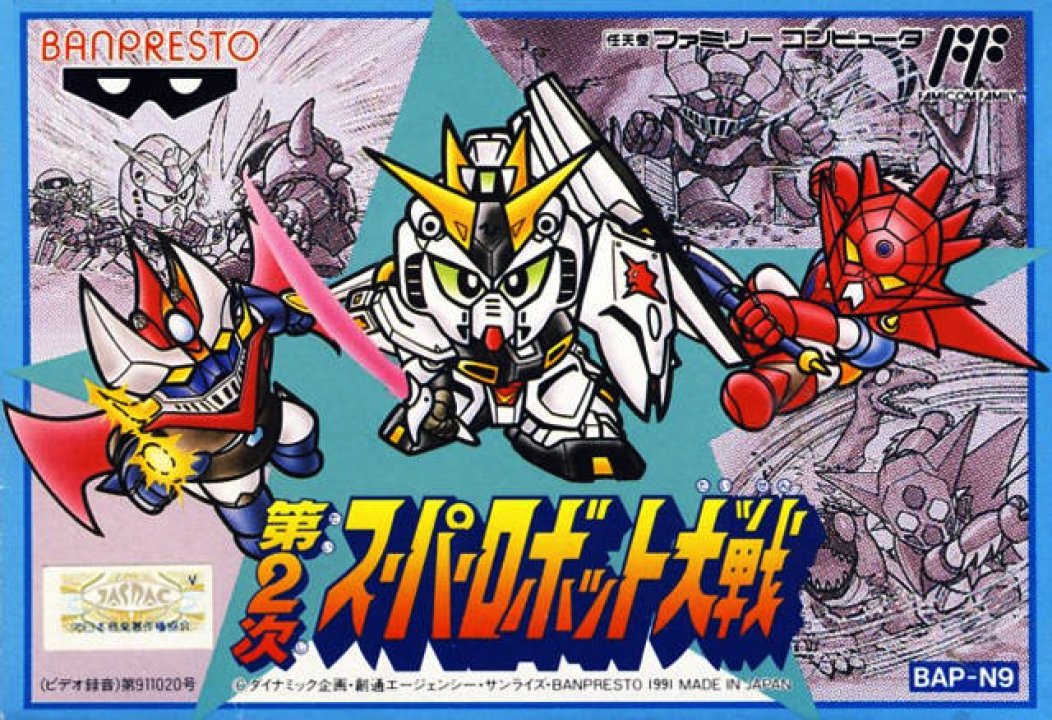
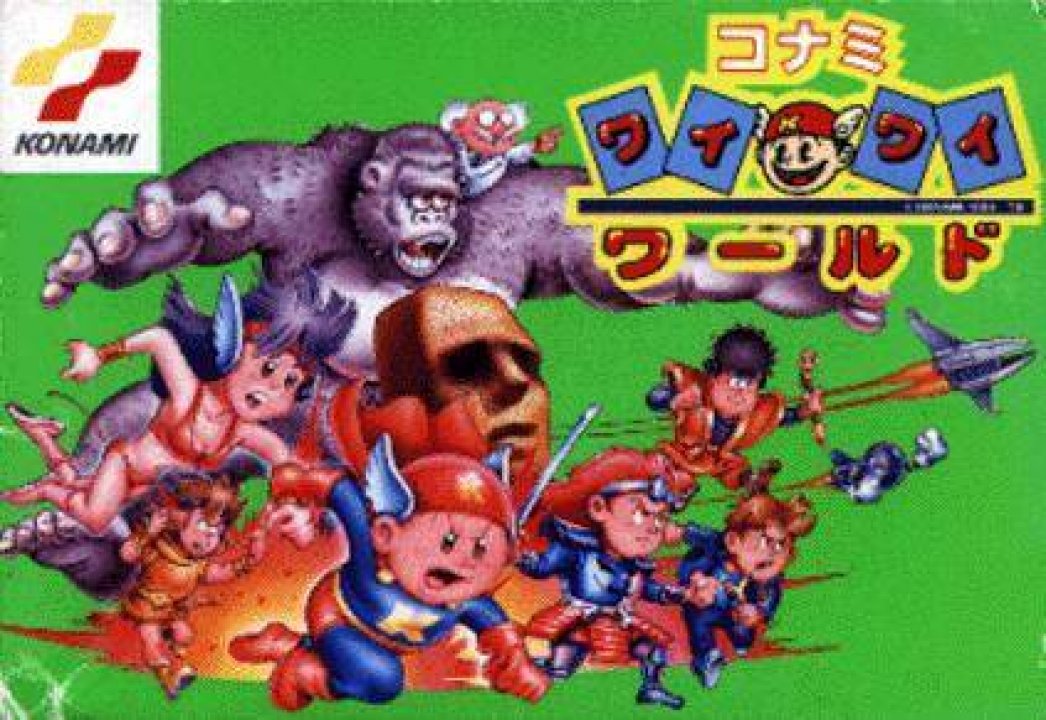
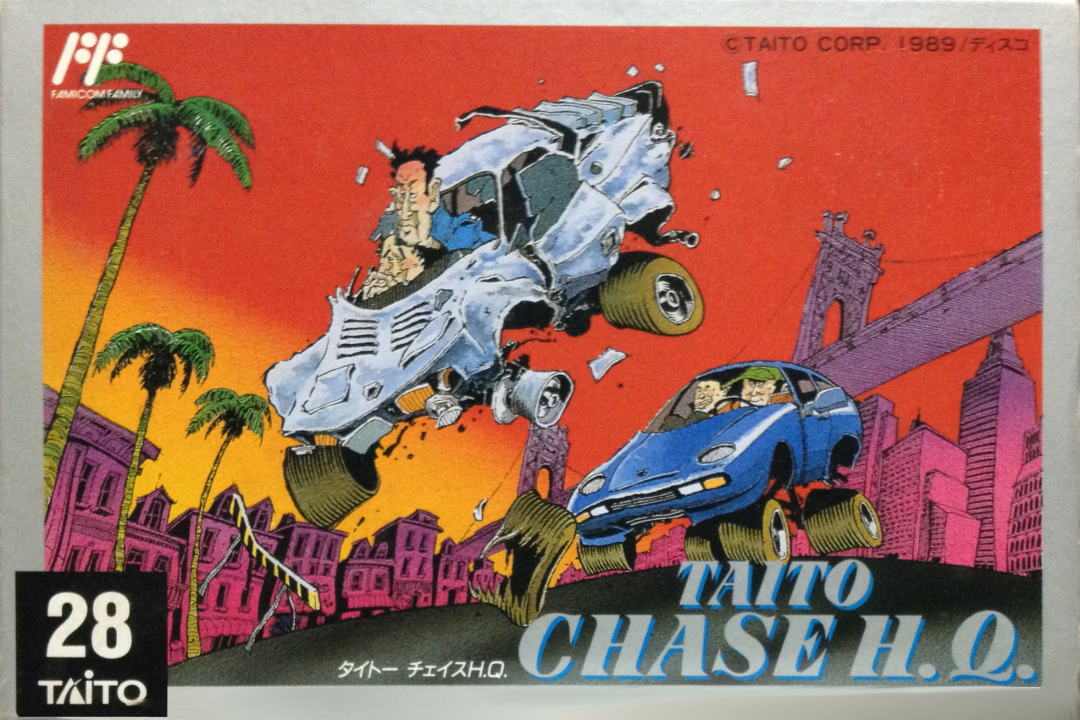
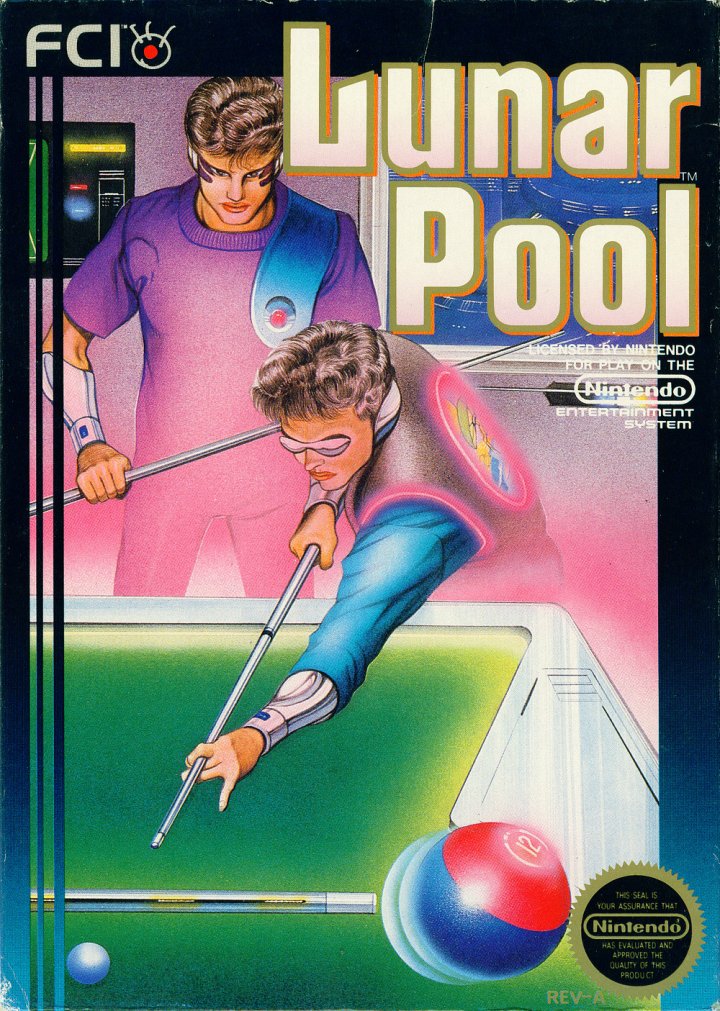
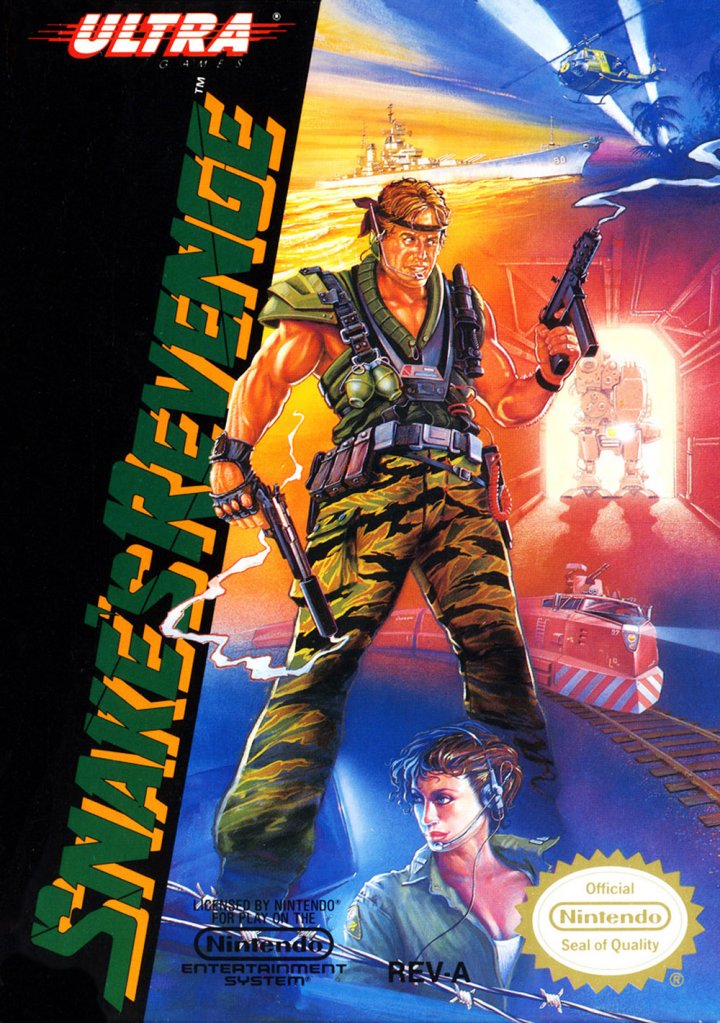
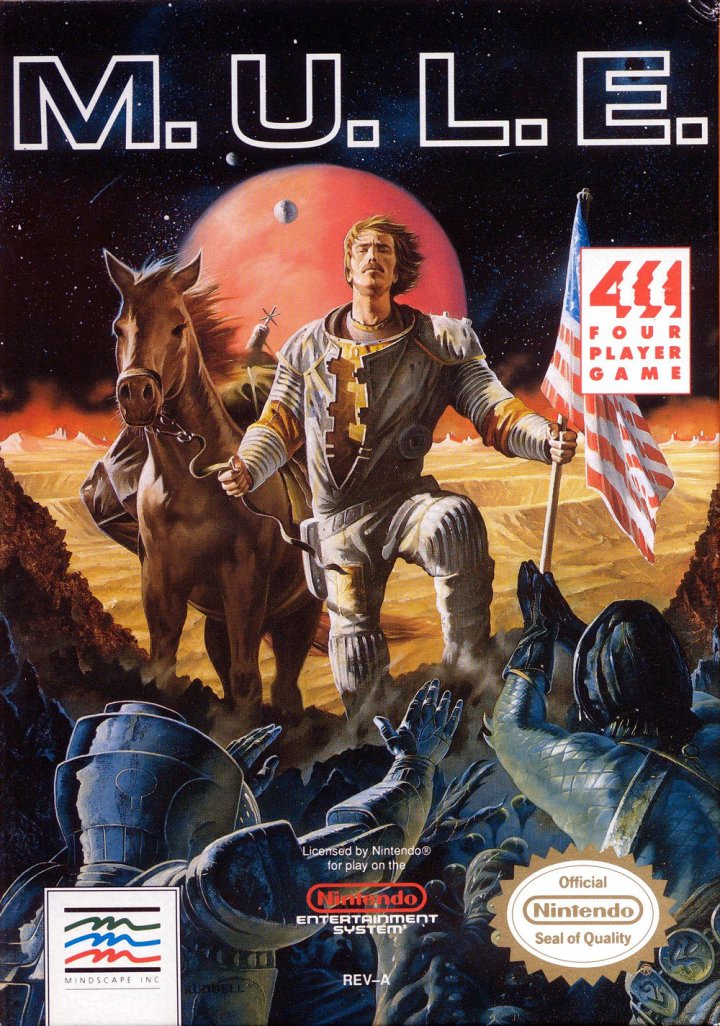
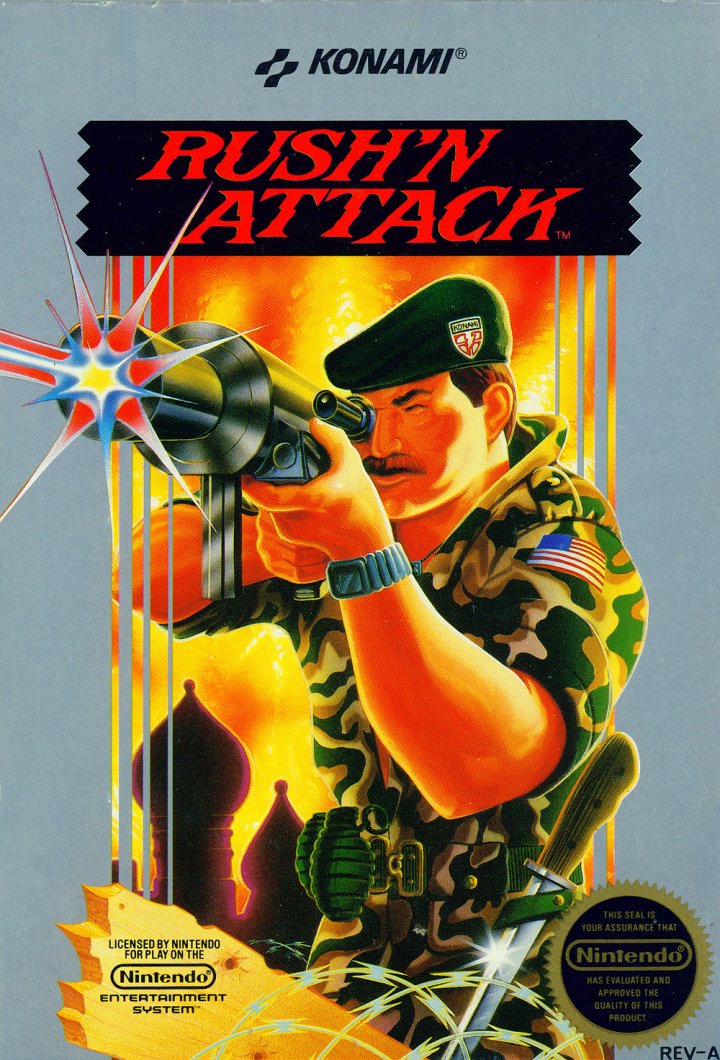
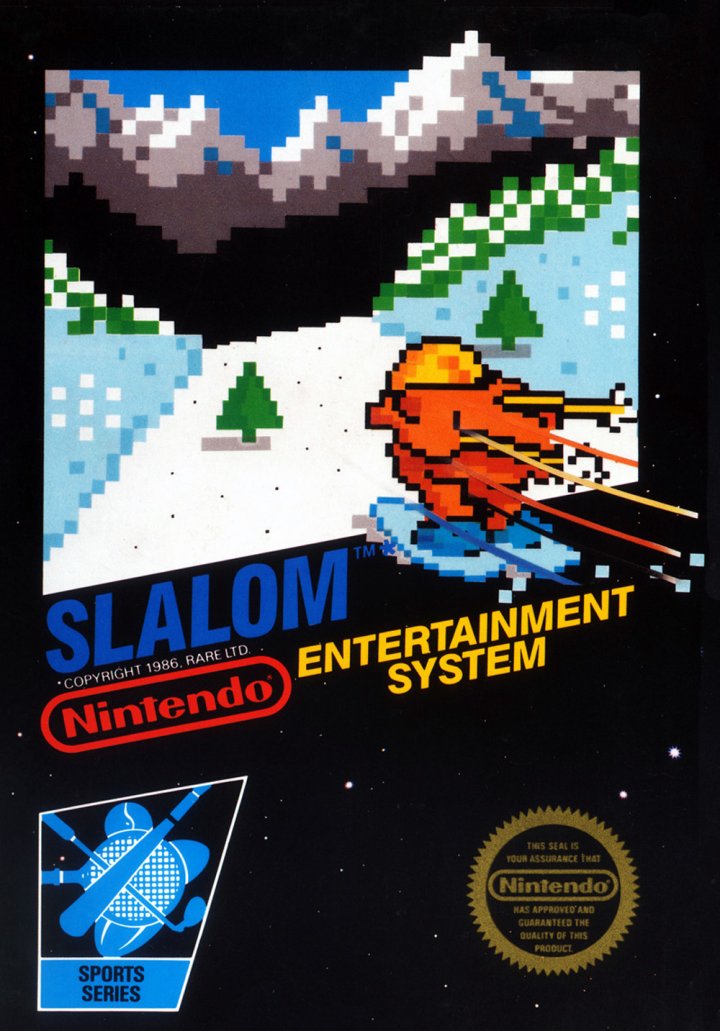
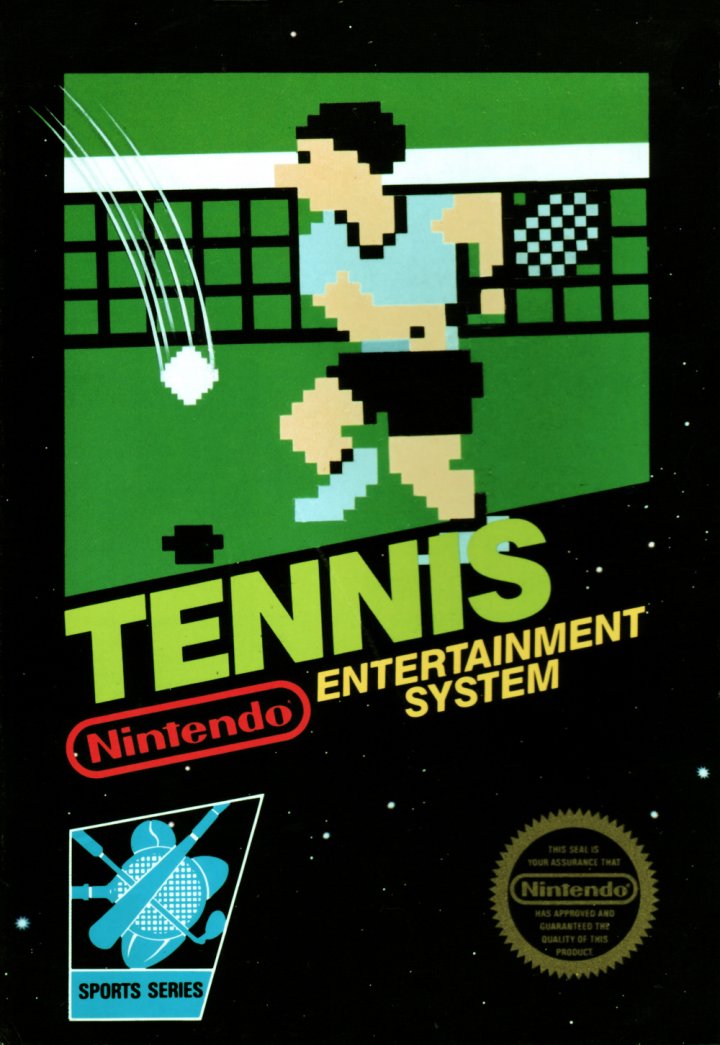
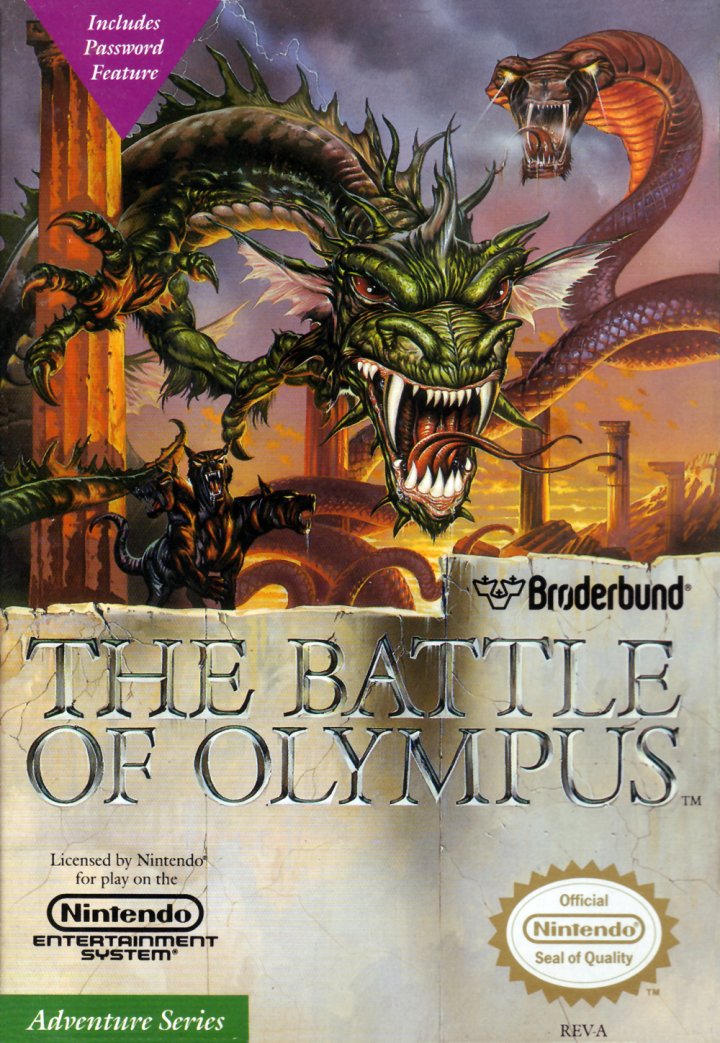
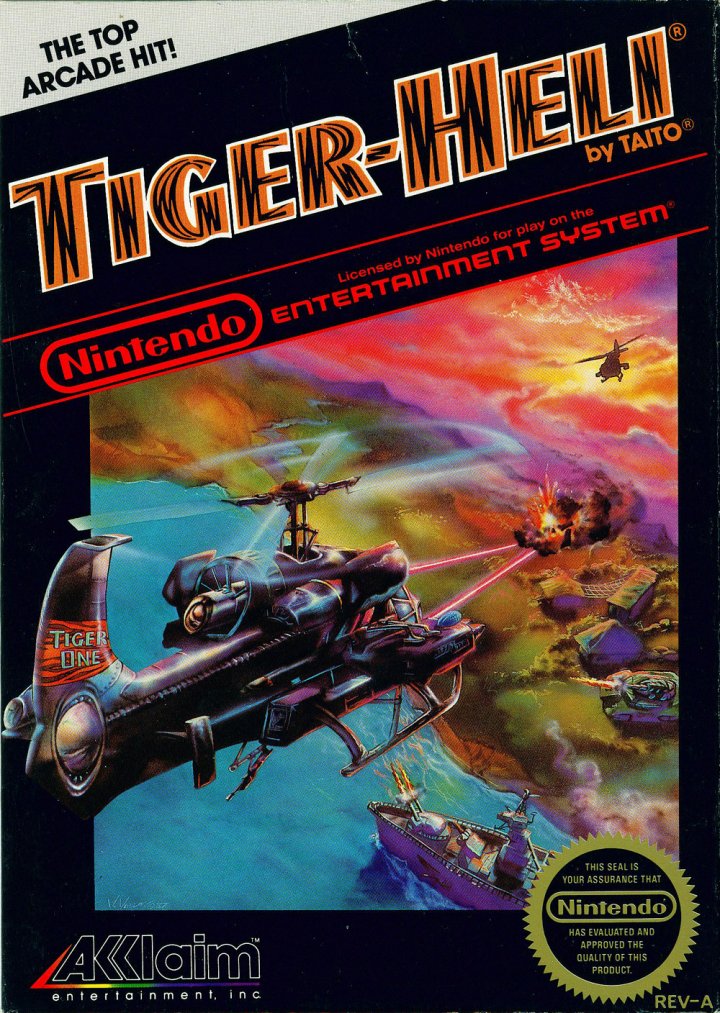
The Nintendo Entertainment System (NES) emerged from the ashes of the 1983 video game crash, a time when the industry lay in ruins. In Japan, it debuted as the Family Computer (Famicom) on July 15, 1983, and later crossed the Pacific for a U.S. test market launch on October 18, 1985, followed by a nationwide rollout on September 27, 1986. This was Nintendo's first programmable home console, moving beyond the dedicated hardware of the Color TV-Game series. It went head-to-head with Sega's Master System, defining the third generation of gaming.
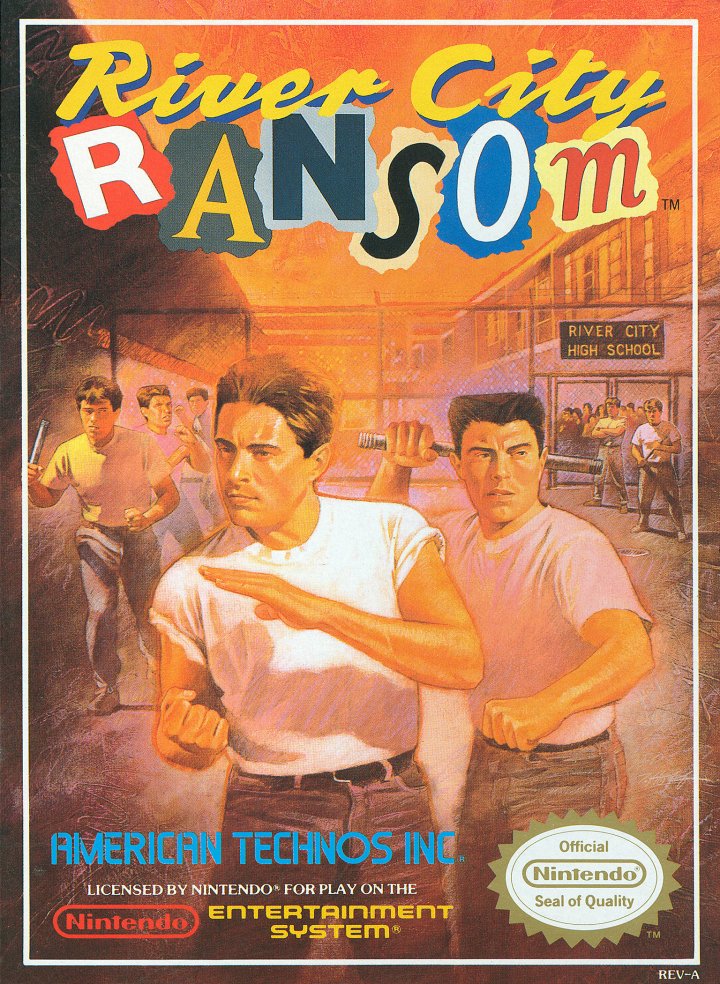
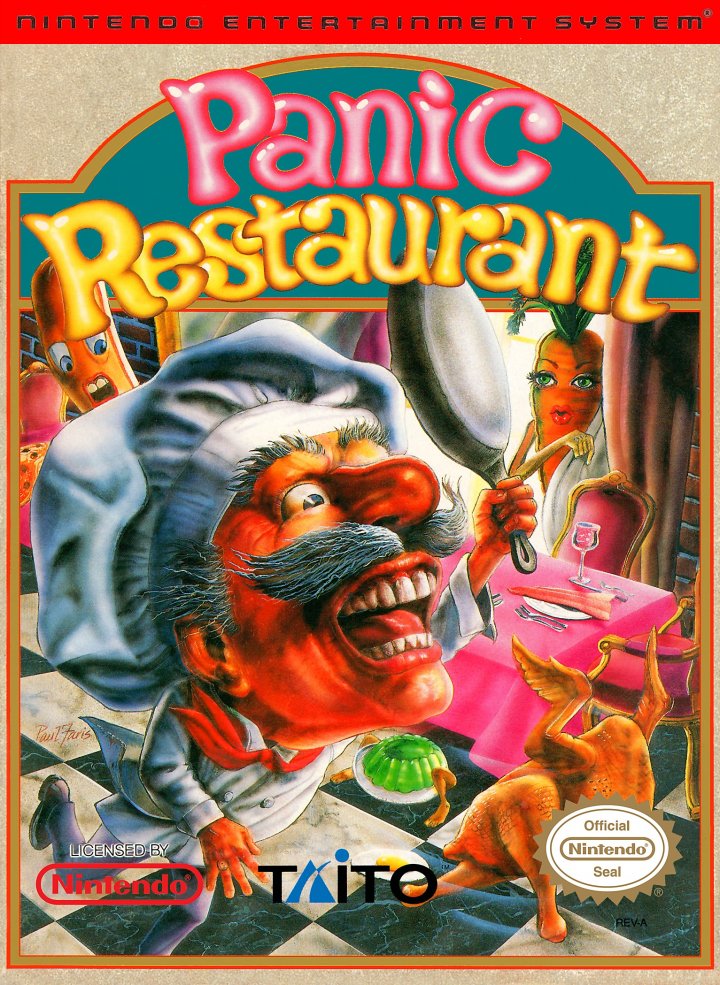
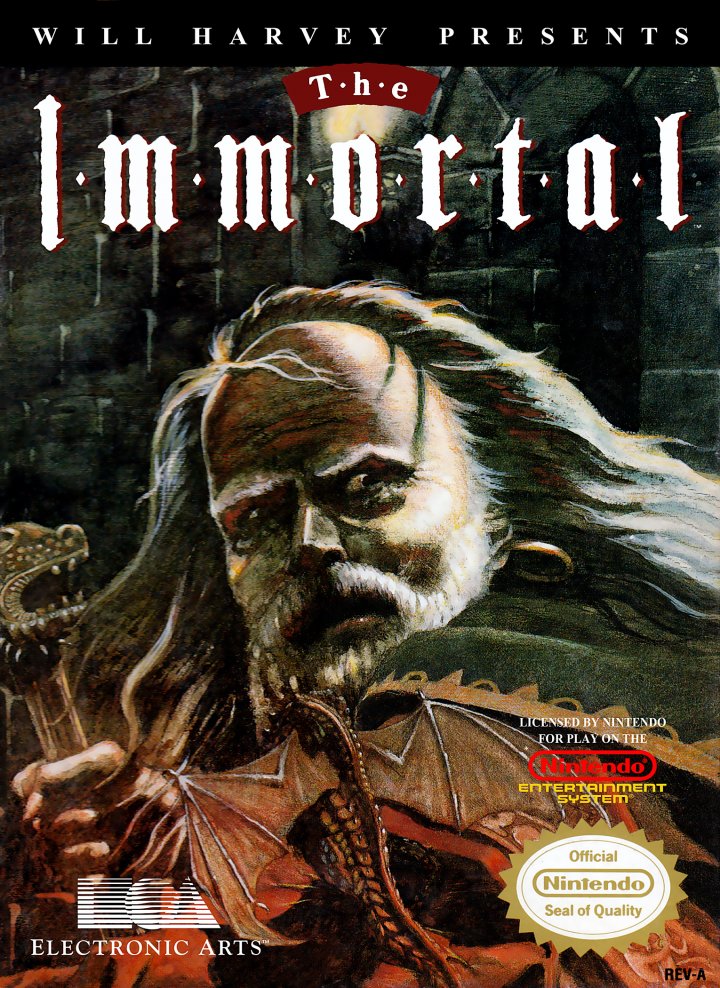
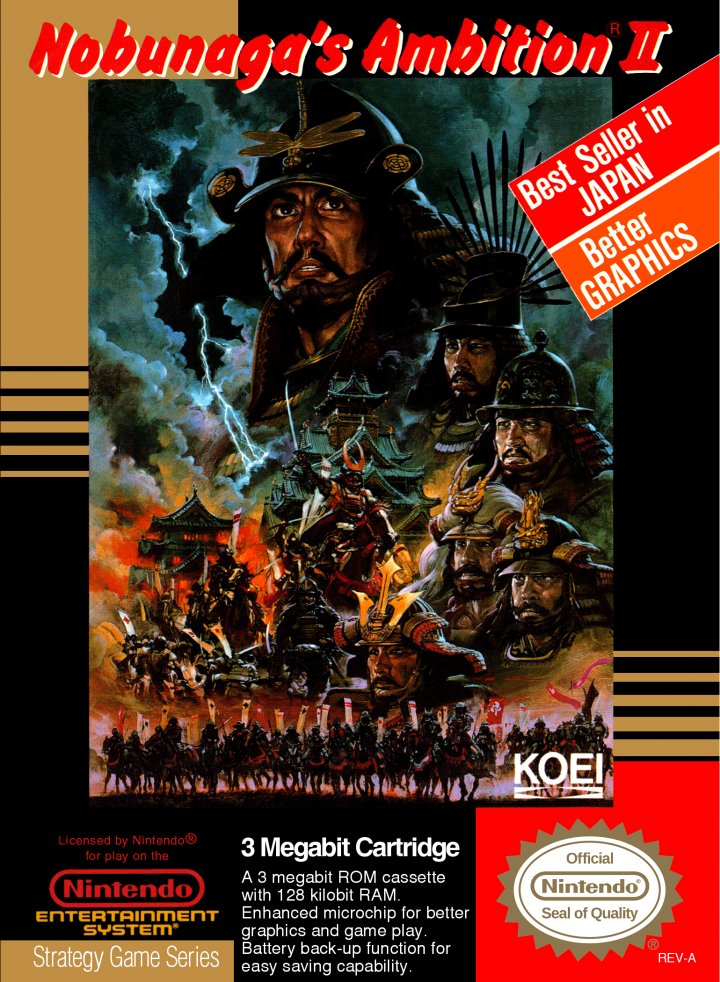
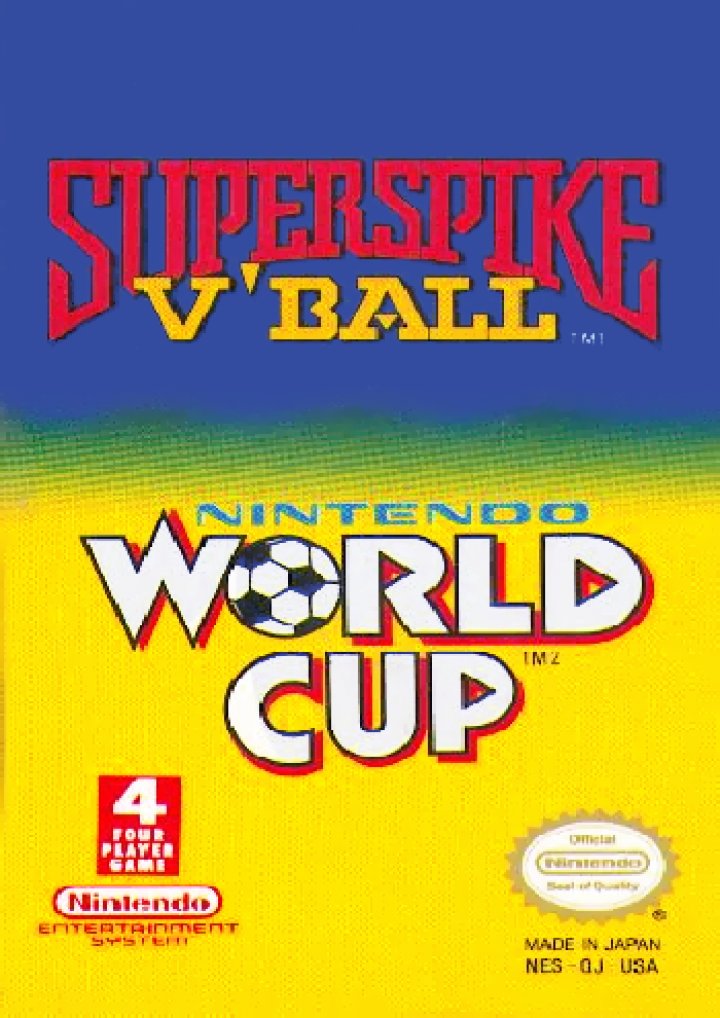
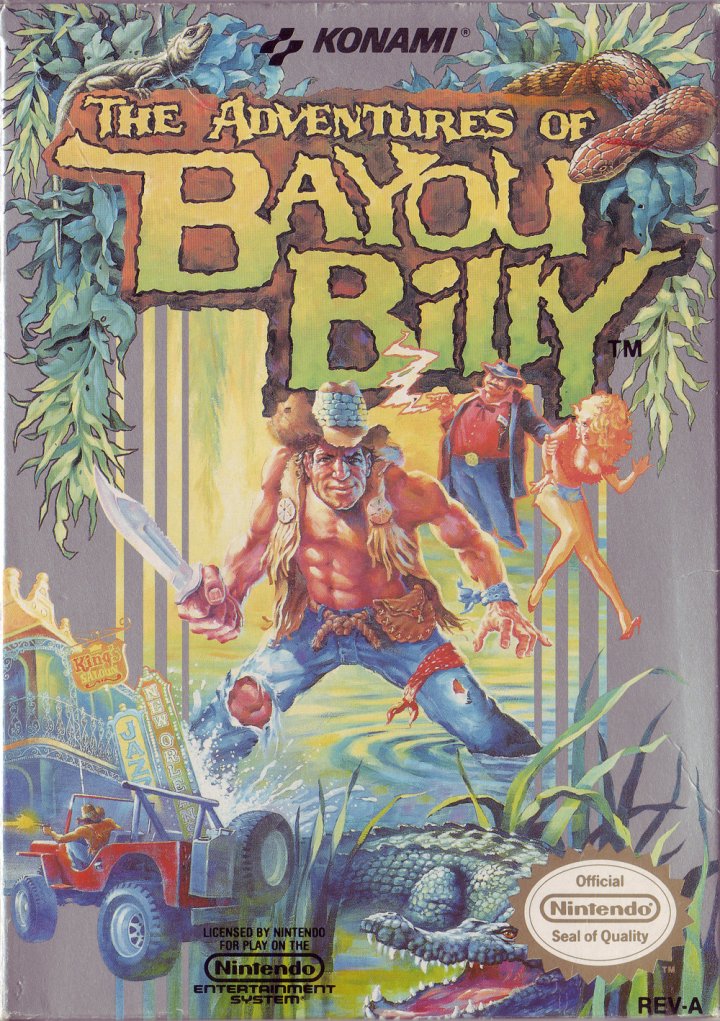
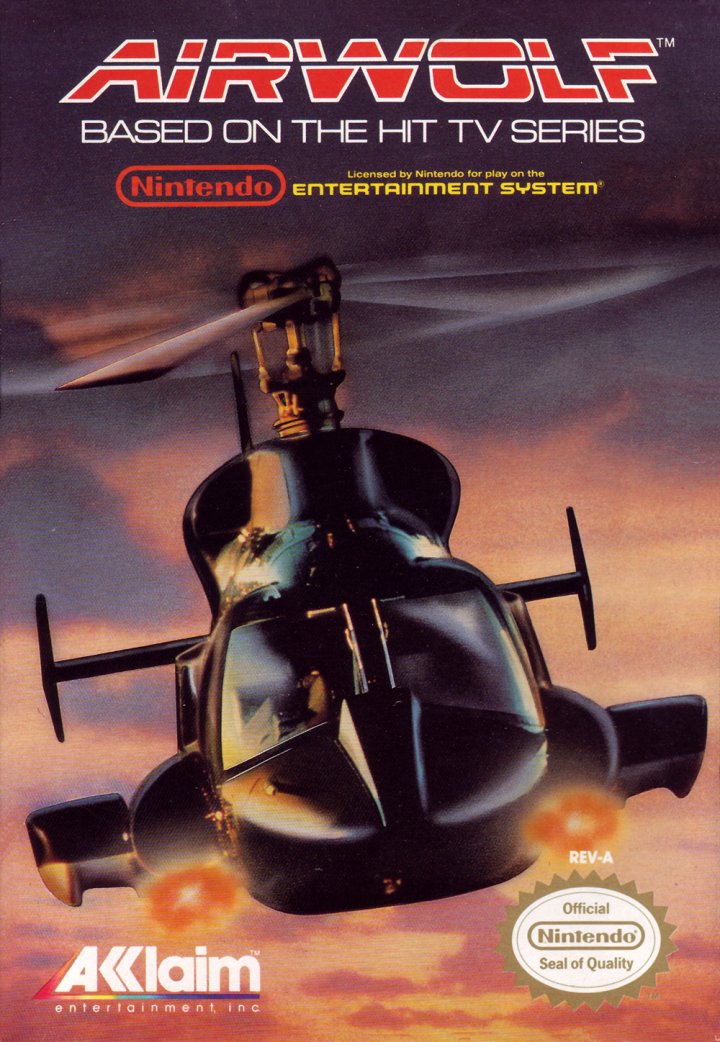
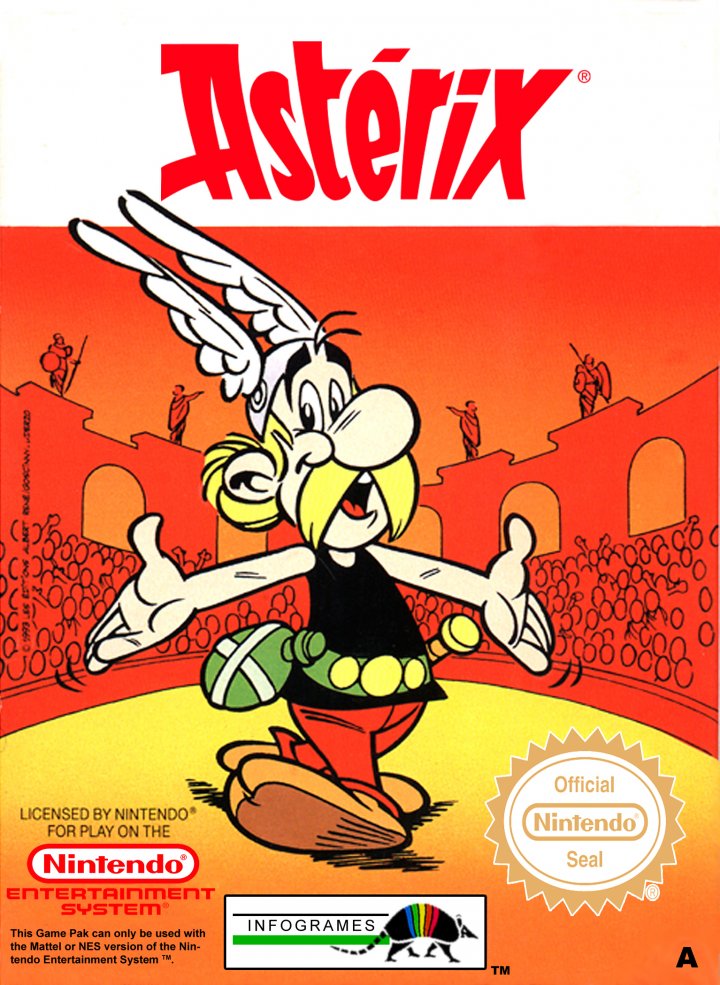
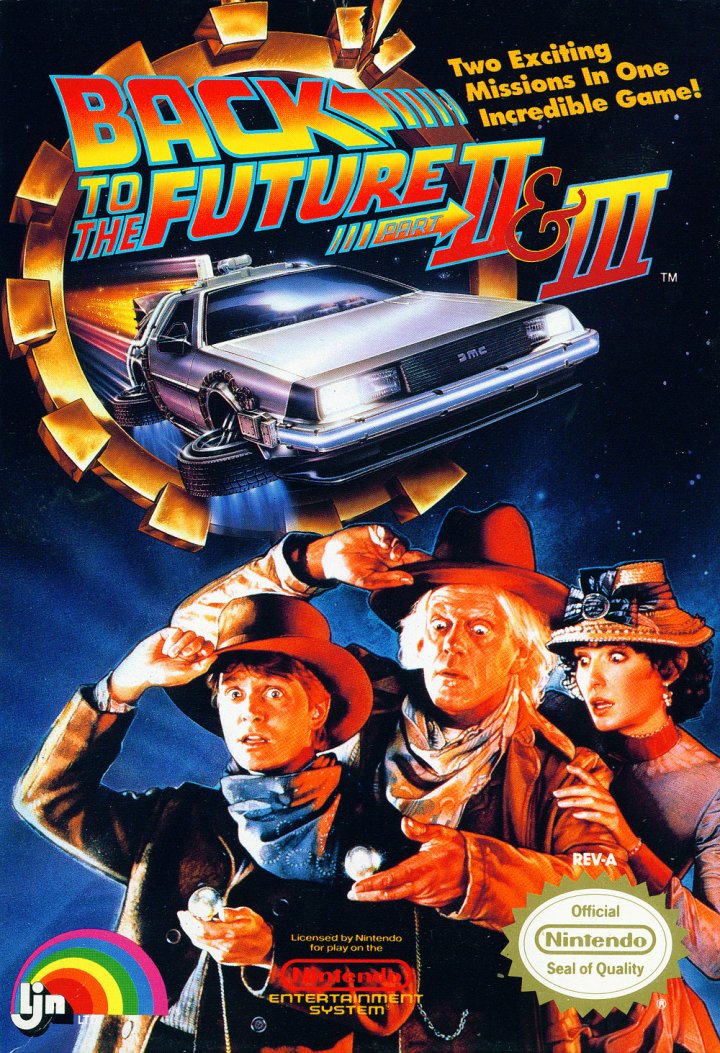
The NES library was a treasure trove of diverse experiences. For sports fans, Super Spike V'Ball / Nintendo World Cup delivered frantic, over-the-top volleyball and soccer action. Action-adventure seekers could tackle The Adventures of Bayou Billy, a punishing blend of beat-'em-up, shooting, and driving stages. Licensed games like Airwolf offered helicopter combat, while Astérix brought the beloved comic character to life in a platformer. Even movie tie-ins like Back to the Future Part II & III found a home on the system, though they often tested players' patience with their difficulty.
Despite its humble 8-bit processor, the NES revolutionized home entertainment with its iconic rectangular controller and a strict quality-control policy that ensured only the best games reached store shelves. It revived a dying industry and set the standard for console gaming for decades to come. For collectors, the NES remains a cornerstone—a reminder of when gaming was reborn.